
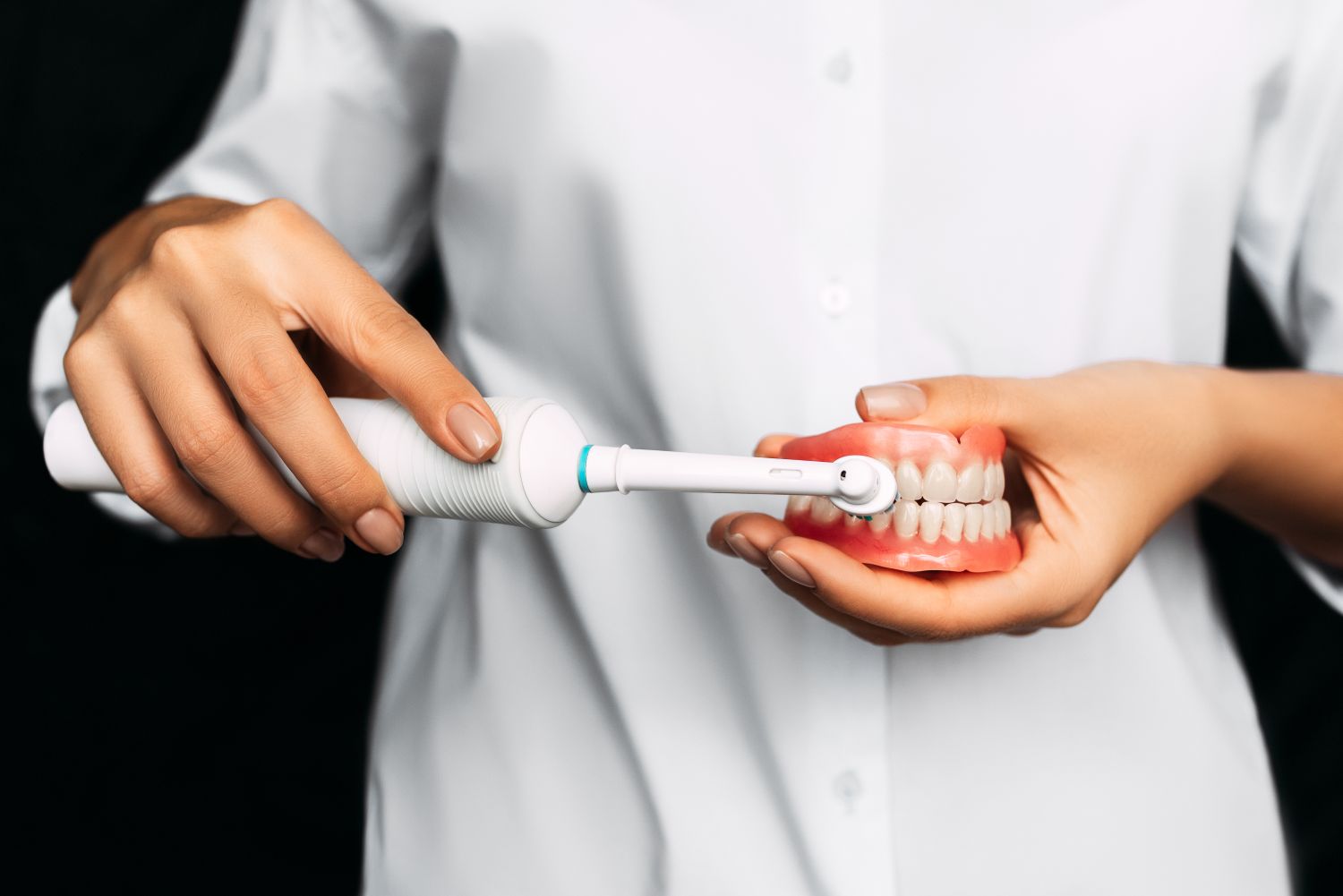
Maintaining good oral health extends beyond the act of merely brushing one’s teeth; it encompasses the effectiveness and duration of the brushing process. Many individuals tend to expedite their dental routines, but dedicating a full two minutes to brushing can substantially reduce the risk of cavities and gum disease. This discussion will explore the rationale behind the two-minute rule, the potential repercussions of inadequate brushing time, and practical strategies to ensure effective brushing. By implementing a simple adjustment to one’s dental hygiene routine, individuals can achieve a healthier smile.
The Importance of Adequate Brushing Time
Adequate brushing time is essential for maintaining optimal dental hygiene and ensuring long-term oral health. Dental professionals universally advocate that both children and adults allocate a minimum of two minutes for brushing their teeth, as this significantly enhances plaque removal and bacteria control.
This duration allows for thorough coverage of all tooth surfaces, including those that are difficult to reach. Moreover, a consistent brushing routine not only aids in the prevention of cavities but also promotes overall gum health, thereby reducing the risk of periodontal disease and tooth decay.
By adhering to dentist recommendations regarding brushing techniques and timing, individuals can substantially improve their oral care practices.
Why Two Minutes is Recommended
The recommendation to brush teeth for a duration of two minutes is supported by extensive dental research, which indicates that this timeframe is optimal for effective control of dental plaque and thorough cleaning of all tooth surfaces.
Research has shown that brushing for a shorter duration often leads to inadequate plaque removal, increasing the risk of cavities and gum disease. This two-minute standard was established following numerous trials that assessed the efficacy of various brushing techniques, consistently demonstrating benefits in plaque reduction when this duration is maintained.
The significance of proper brushing techniques cannot be overstated, as they greatly influence the effectiveness of the two-minute guideline. Techniques such as circular motions or the Bass method enhance plaque removal, ensuring that both the gum line and hard-to-reach areas are adequately addressed.
The Effects of Inadequate Brushing Time
Insufficient brushing time can result in a range of oral health complications, as failing to adhere to the recommended duration significantly increases the risk of plaque accumulation, tooth decay, and gum disease.
When individuals do not dedicate adequate time to brushing, they may fail to effectively remove dental plaque, thereby allowing cariogenic bacteria to flourish and contribute to the development of cavities and periodontal disease.
Additionally, neglecting proper oral hygiene can lead to persistent halitosis and a deterioration of overall gum health, which ultimately heightens the likelihood of future dental issues.
Consequently, recognising the importance of brushing duration is crucial for the maintenance of a healthy smile.
Potential Oral Health Complications
Inadequate brushing time can lead to various oral health complications, including an increased risk of tooth decay, periodontal disease, and a higher presence of oral bacteria, which may give rise to more serious health issues.
When brushing is insufficient, harmful bacteria can multiply, resulting in the formation of plaque that eventually hardens into tartar. This accumulation can further contribute to the development of cavities and gum disease. The inadequate removal of bacteria not only impacts dental health but may also lead to inflammation, causing discomfort and increasing the risk of tooth loss.
Regular dental check-ups are essential for the early identification of these issues, allowing for timely interventions that are vital for maintaining oral health. Consistent oral hygiene practices, when combined with professional cleanings, can significantly reduce the risk of developing severe health problems and promote overall well-being.
Tips for Ensuring Proper Brushing Time
Ensuring adequate brushing time is crucial for maintaining effective oral hygiene. There are several practical strategies that can assist individuals in remaining motivated and consistent in their daily routines.
Using timers is a particularly effective method to ensure that both children and adults brush their teeth for the full recommended duration of two minutes. Furthermore, employing appropriate brushing techniques, such as selecting the correct toothbrush and using fluoride toothpaste, can significantly enhance the effectiveness of the brushing process.
Additionally, implementing brushing reminders can help to establish consistent habits that contribute to long-term dental health.
Effective Techniques and Tools
Effective techniques and tools are essential for achieving optimal oral hygiene, whether one opts for a manual toothbrush or an electric toothbrush, as both ensure proper brushing pressure and technique.
Each option presents its own distinct advantages. For instance, electric toothbrushes often offer a more consistent brushing motion and incorporate built-in timers, assisting users in adhering to the recommended brushing duration. In contrast, manual toothbrushes are a cost-effective alternative, allowing users complete control over their brushing technique.
It is also imperative to recognise that maintaining a clean tongue is vital for combating bad breath and enhancing overall oral health. The incorporation of a tongue scraper or a toothbrush equipped with a built-in tongue cleaner can significantly improve one’s oral hygiene routine.
Moreover, utilising high-quality dental products—such as fluoridated toothpaste and antibacterial mouthwash—provides an additional layer of protection, ensuring a thorough cleansing process that extends beyond mere tooth brushing.